
📷: Ehcel Hurna (UPM-IPPAO)
UPM-TTBDO Showcases Innovation at the 3rd Philippine Pharma and Healthcare Expo 2026
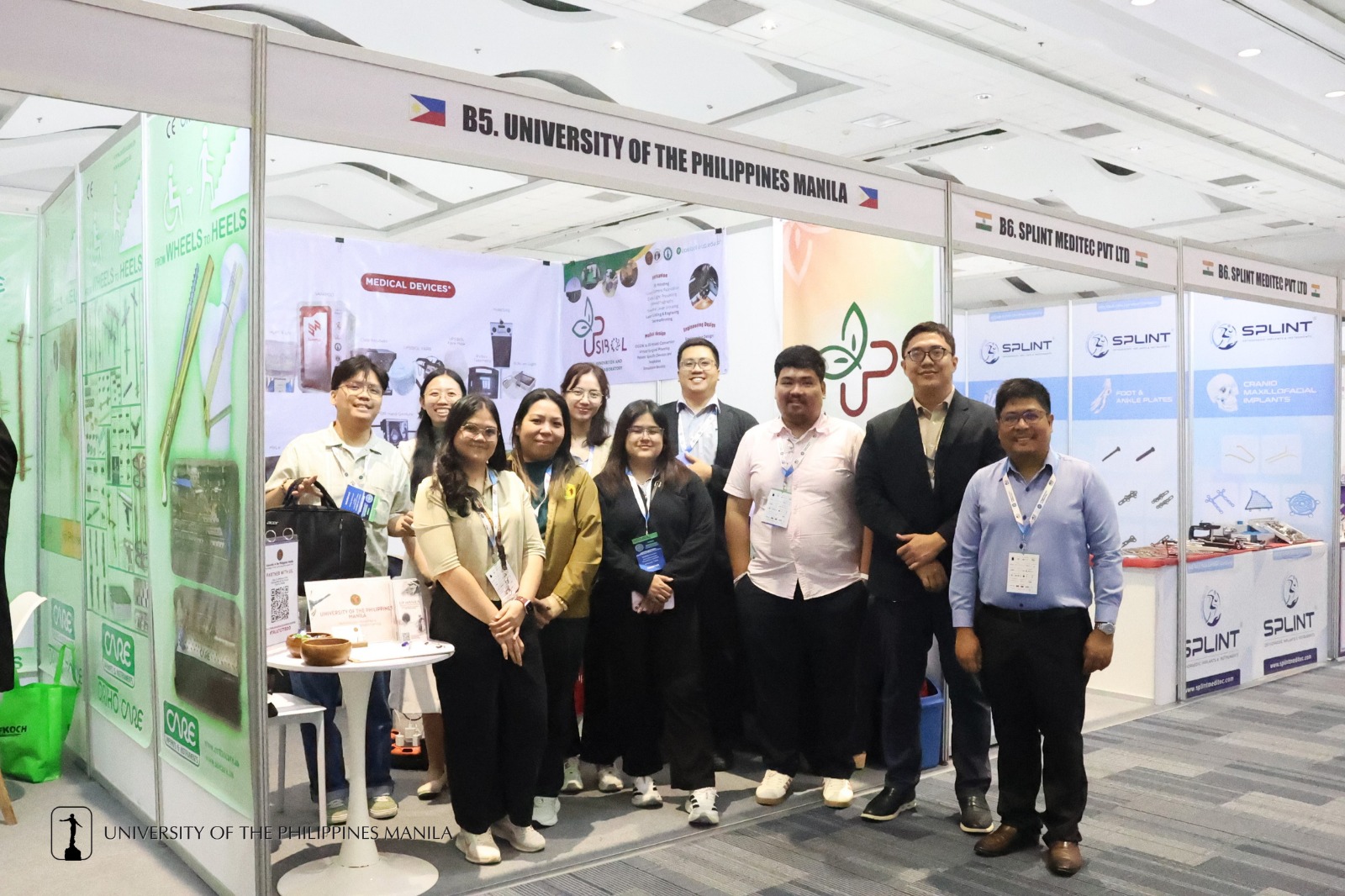
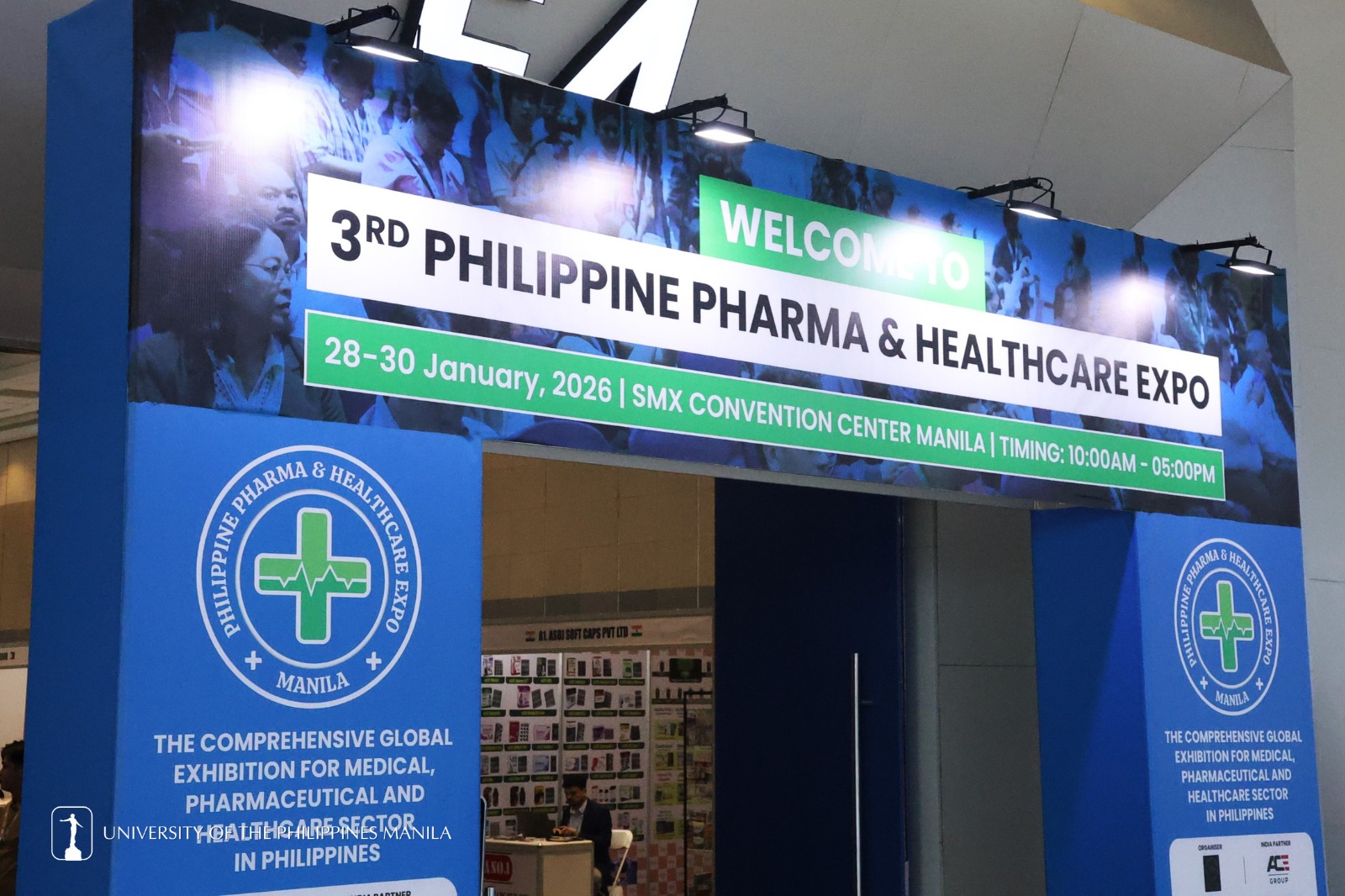
PASAY CITY — The landscape of the Philippine healthcare sector is undergoing a significant shift, one where the boundaries between the laboratory and the marketplace are beginning to blur. At the 3rd Philippine Pharma and Healthcare Expo, held from January 28–30, 2026, at the SMX Convention Center, the University of the Philippines Manila – Technology Transfer and Business Development Office (UPM-TTBDO) presented an exhibit of technologies and innovations.
For the university’s researchers and academic leaders, the event served as a living gallery of what is possible when rigorous scientific inquiry is framed within the context of national necessity.
Roundtable Discussion: The Co-Creation Formula
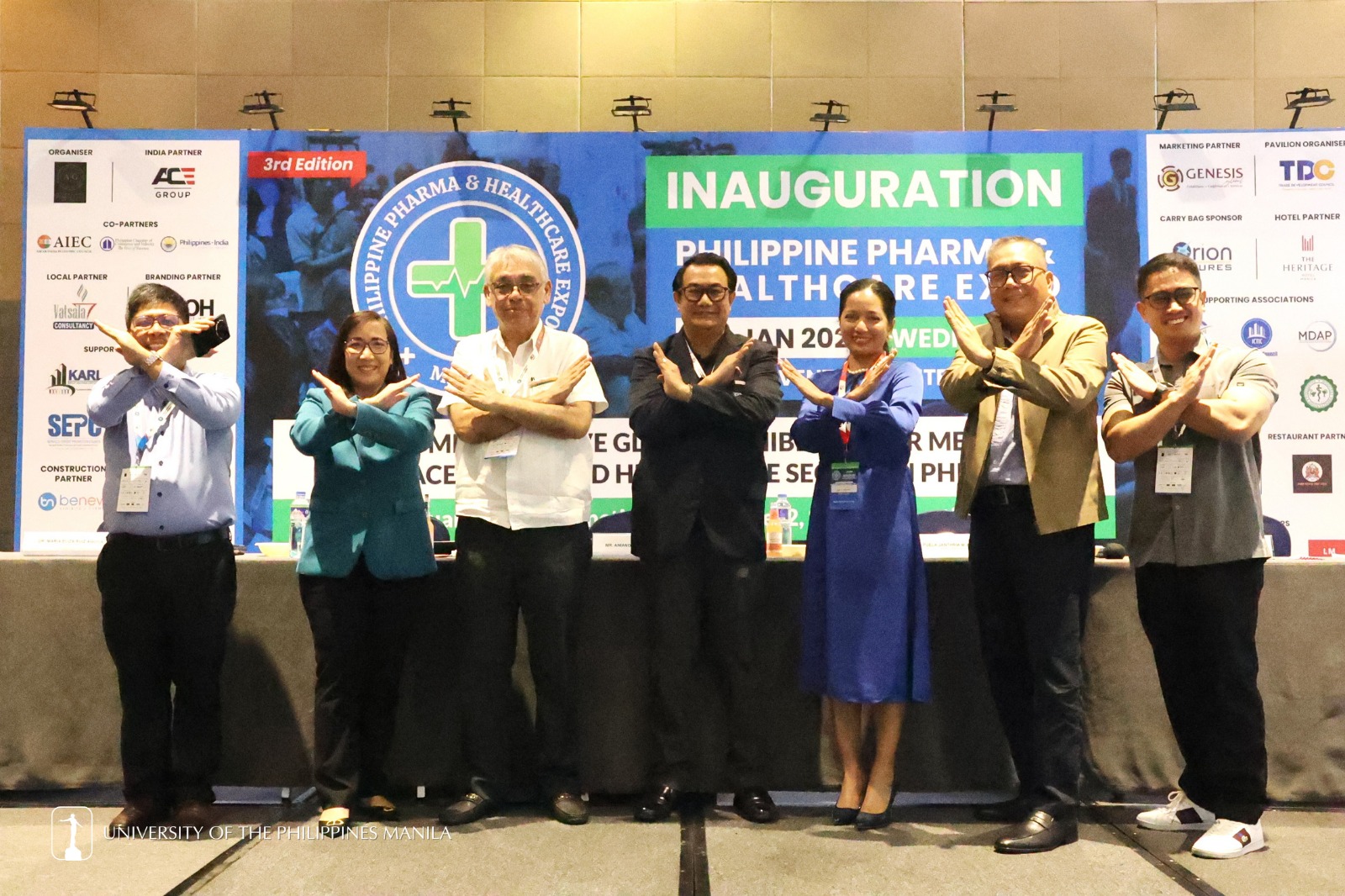
On January 29, the conversation deepened during a roundtable discussion hosted by UPM-TTBDO, titled “The Co-Creation Formula: Syncing R&D with the Philippine Market Pulse.” The panel brought together thought leaders from:
- United Laboratories Inc. (UNILAB)
- Pascual Pharma Corp.
- P.IMES Corp.
- Philippines-India Business Council
The theme itself suggests a new paradigm for the academic community: that the most impactful problem statements in research are those that resonate with the actual pulse of the local market. By understanding the commercial lifecycle early on, the journey from a researcher’s hypothesis to a patient’s prescription becomes a more navigable path.
Industry Insights and Opportunities
The insights shared by the panelists offered a rare window into the industrial realities that govern the success of any innovation. Engr. Arnel Cabungcal of UNILAB noted a significant structural gap, pointing out that while the FDA maintains an extensive registry of manufacturers, a vast majority operate primarily as traders or re-packers, leaving a disproportionately small number of genuine local producers.
This reality highlights a unique opportunity for university R&D to fill the void, provided that studies consider the practicalities of local manufacturing and supply chain fragmentation.
As Johnny Chotrani of the Philippines-India Business Council and Aniano Matabuena, Jr. of P.IMES Corp. observed, the emergence of specialized PEZA zones and new tax incentives has created a fertile environment for projects that are born in the academe but built for the industry.
Strengthening University-Industry Synergy
To the business community, this gathering signaled a University that is not only open for collaboration but is actively refining its ears to the needs of the private sector.
The success story shared by Puela Janthria Palomino of Pascual Pharma Corp.—where a partnership with UP Manila solved specific product development hurdles—serves as a testament to this synergy. It reflects a mutual understanding that the nation’s growth and service to the Filipino people are best achieved when the University’s intellectual capital is synchronized with the private sector’s operational expertise.
